Introduction to Industrial Control Systems
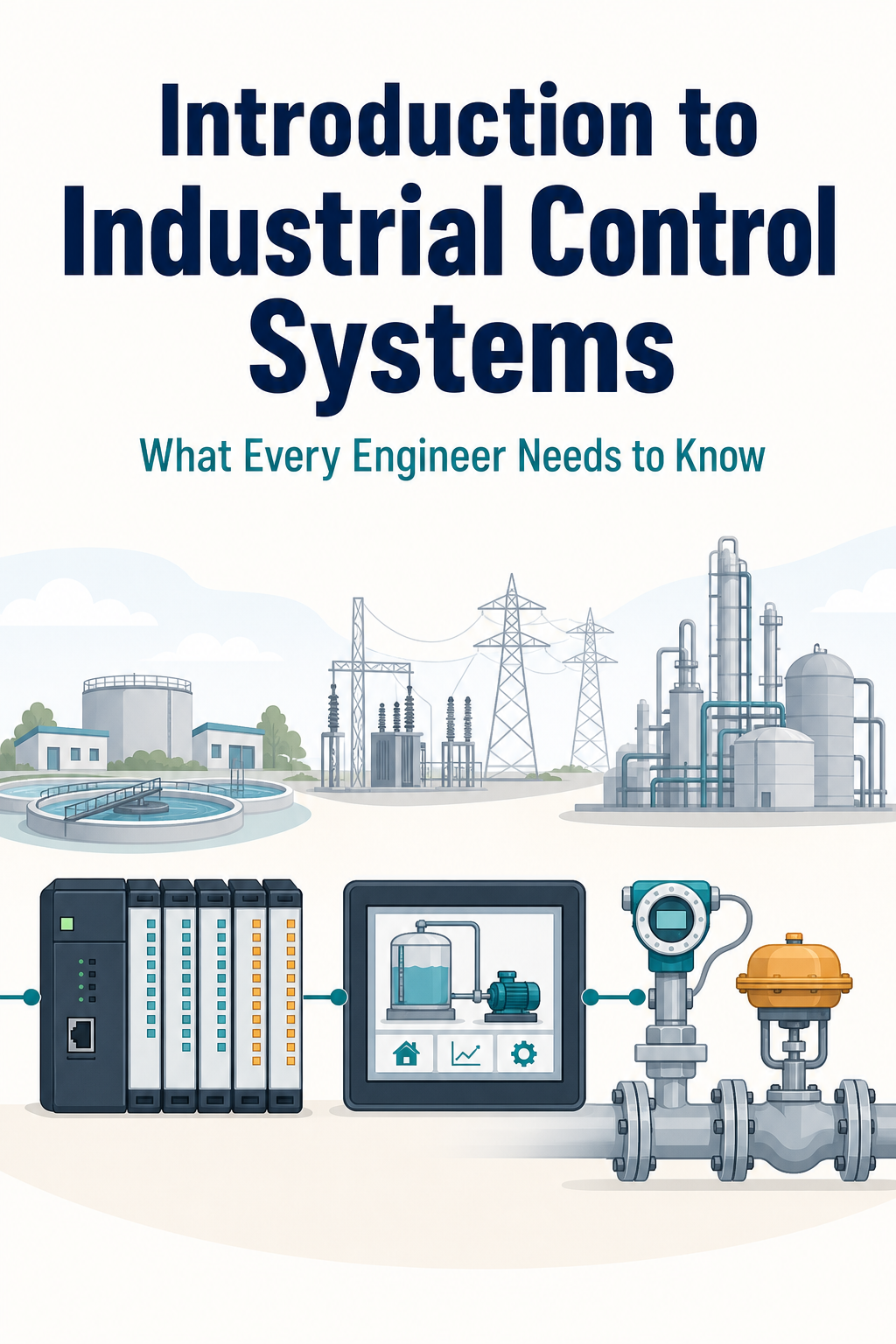
Introduction to Industrial Control Systems
What Every Engineer Needs to Know
Power grids, water plants, pipelines and factories all run on computers most people never see. Introduction to Industrial Control Systems explains how those systems work, in plain language, for engineers, technicians and IT professionals who keep hearing PLC, SCADA and OT but were never taught what sits behind the words.
What This Book Delivers
- What ICS is, and why it is not IT. The priorities that make industrial systems different, and why you cannot simply reboot a plant.
- A map you can use. The Purdue model, level by level, from sensors and valves up to the business network.
- Every major component, explained. PLC, HMI, SCADA, DCS, RTUs, field devices, engineering workstations and historians, and how they work together.
- Industrial networks without the mystery. Modbus, fieldbus, EtherNet/IP, PROFINET, DNP3, IEC 61850, OPC, ring topologies, and what normal traffic looks like.
- A clear view of the road ahead. Where these systems are exposed, and what to learn next.
Who It's For
- Engineers and technicians from electrical, mechanical or instrumentation backgrounds moving closer to control systems.
- IT and cybersecurity professionals who now work alongside, or are responsible for, operational technology.
- Anyone preparing for ICS/OT cybersecurity training who wants the foundation first.
How It's Structured
- Chapters 1-4: what an industrial control system is, how it differs from IT, how it is organized, and what it feels like to operate.
- Chapters 5-9: the components, one by one, then the whole system working together.
- Chapters 10-13: industrial networks and protocols, and the gap that leads to cybersecurity.
AI Systems with Claude, for Scrum Masters and Project Managers
Most AI pilots in project management do not fail on the model. They fail because somebody pointed the thing at a decision instead of at a task. This course is built around that distinction, and around the work that follows once you get it right.
Seven sections, taught against one running project from the first lecture to the last. You watch a system get built, then you build the same one against your own sprint. Nothing here is a demo that works only on the example.
You finish with five working systems and you keep them. The sprint report machine turns your board export and standup notes into the report you currently write by hand. The retro intelligence system tells you what the team keeps saying, not just what it said this time. The stakeholder comms engine drafts the update in the register the audience expects. The backlog health monitor flags the quiet decay nobody has time to check for. The risk and dependency tracker follows the chains that actually bite.
Seventy-six working files ship with it, across four sections, so every system is built against real sprint data rather than material invented for a slide. Four sprints of retrospectives, board exports, standup notes, backlog and risk data.
Explore the Course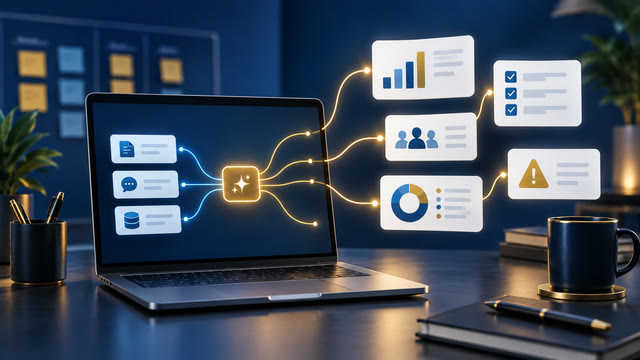
Build the Sprint Reporting System, Not Another Prompt
AI Systems with Claude is our own course for Scrum Masters and Agile Project Managers, taught against one running project across seven sections. You build five working systems and keep them: the sprint report machine, the retro intelligence system, the stakeholder comms engine, the backlog health monitor, and the risk and dependency tracker. Direct from HK School of Management, not on Udemy.
See What Is Included