If you’re a Lean Six Sigma (LSS) practitioner, you might think PMI’s Project Management approach is just another set of rules. But guess what? Understanding PMI project management can supercharge your career and make you an unstoppable force in process improvement. Think of it as adding rocket fuel to your already powerful problem-solving engine.
Lean Six Sigma and PMI – What’s the Difference?
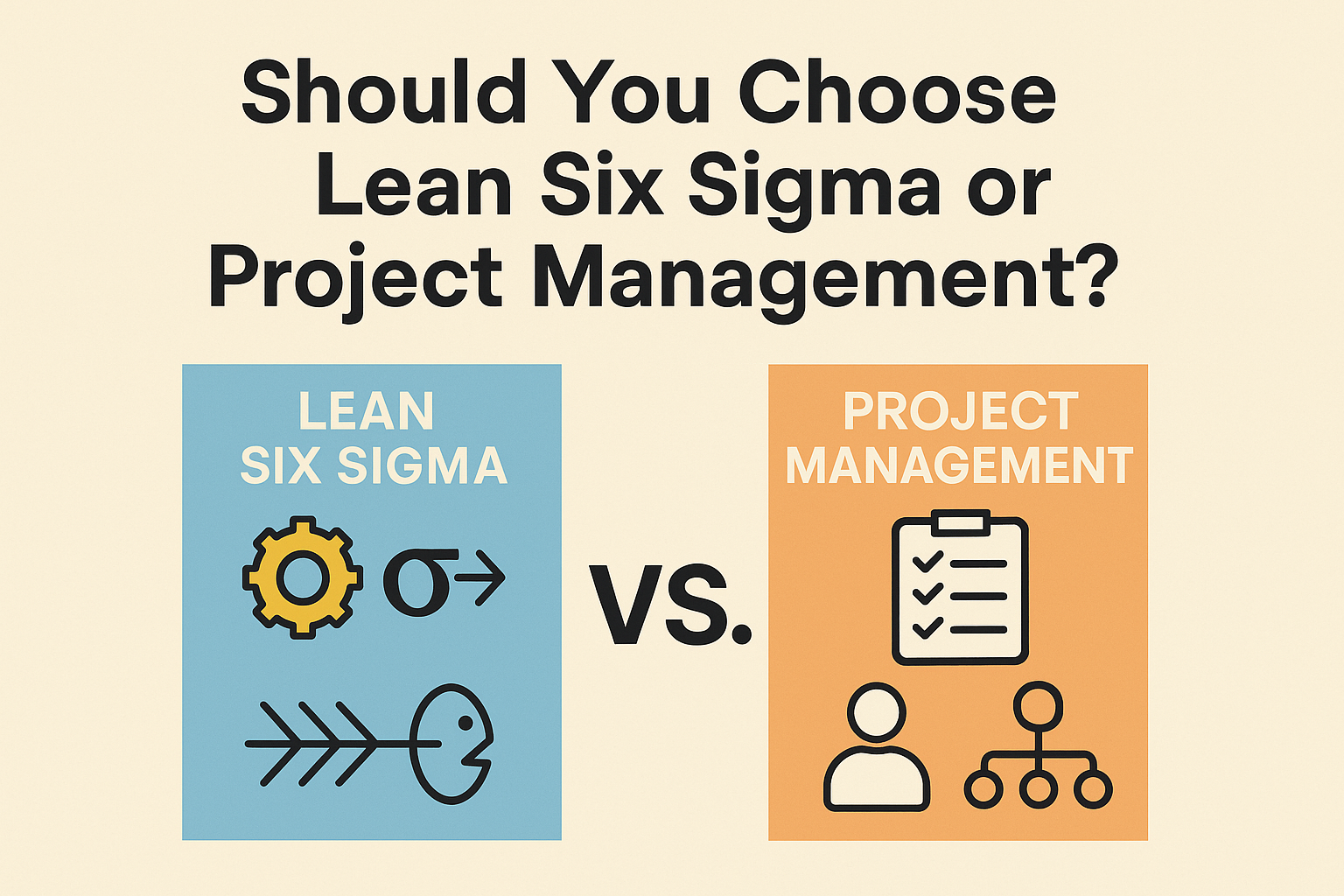
Lean Six Sigma focuses on reducing waste, eliminating defects, and improving efficiency. PMI’s Project Management framework, on the other hand, ensures that projects stay on track, meet objectives, and deliver results on time and within budget. One is all about continuous improvement, and the other is about structured execution.
Now imagine combining both. It’s like having a map and a GPS while driving. You’ll never get lost, and you’ll always reach your destination efficiently.
The Power of Blending PMP with Lean Six Sigma
Why should you, as an LSS expert, care about PMP project management? Let’s break it down.
1. Better Project Execution
Lean Six Sigma projects often aim to improve processes, but without solid project management, things can go off the rails. PMI’s structured approach ensures that improvement initiatives stay on track, meet deadlines, and deliver measurable outcomes.
2. Stronger Stakeholder Management
Ever faced resistance when implementing changes? PMI’s framework provides strategies for engaging stakeholders, managing expectations, and getting buy-in. It’s like having a playbook for handling difficult bosses, skeptical team members, and nervous executives.
3. Clearer Project Scope and Objectives
Lean Six Sigma focuses on data-driven improvements, but projects can fail if they don’t have well-defined goals. PMI’s approach emphasizes scope management, ensuring that your project doesn’t spiral out of control with endless tweaks and adjustments.
4. Risk Management Like a Pro
Lean Six Sigma loves identifying problems, but PMI project management helps you anticipate risks before they turn into disasters. Instead of firefighting, you’ll be preventing fires before they start.
5. More Credibility in the Business World
Companies trust project managers because they follow globally recognized frameworks. Adding PMI knowledge to your Lean Six Sigma skillset makes you a well-rounded expert who can speak both process improvement and project execution fluently.
6. Enhanced Resource Management
Lean Six Sigma helps you optimize resources, but PMI ensures you allocate them wisely. With PMI project management principles, you can manage budgets, people, and tools effectively without stretching them too thin.
7. Stronger Communication Skills
PMI’s project management framework emphasizes structured communication, ensuring that everyone involved in a project is on the same page. No more endless email chains or misaligned expectations.
Real-World Examples of LSS and PMP Working Together
Let’s say your company has a recurring problem with defective products in manufacturing. You launch a Lean Six Sigma project to identify root causes. You gather data, analyze it, and propose solutions. But without PMI’s project management structure, your implementation plan may get lost in confusion, budget issues, or shifting priorities.
Now, imagine applying PMI’s project management approach alongside Lean Six Sigma. You’d have a project charter, clear milestones, stakeholder involvement, and risk mitigation strategies. Instead of just identifying a problem, you’d ensure that your improvements actually get implemented and sustained.
How to Get Started with PMP Project Management
Now that you see the benefits, how can you build your PMI project management knowledge? Here are a few steps:
- Learn the Basics of PMI’s PMBOK Guide – This is the Bible of project management. Understanding its key principles will be a game-changer.
- Take a Project Management Course – Many online courses teach PMI project management principles in an easy-to-digest format.
- Earn a PMI Certification – If you’re serious about project management, consider getting a PMP (Project Management Professional) or CAPM (Certified Associate in Project Management) certification.
- Apply PMI Principles to Lean Six Sigma Projects – Start using PMI techniques in your current Lean Six Sigma projects. Create project charters, track risks, and manage stakeholders effectively.
- Work with Project Managers – Collaborate with PMI-certified project managers in your organization to see how they manage projects effectively.
Conclusion: A Winning Combination
If you’re already a Lean Six Sigma practitioner, adding PMI project management knowledge makes you a powerhouse. You’ll not only solve problems efficiently but also execute improvement projects with precision and clarity. It’s like upgrading from a basic toolset to an advanced Swiss Army knife.
So, why stop at process improvement? Become a master of both Lean Six Sigma and PMI project management, and you’ll be the go-to expert that companies can’t afford to lose. Ready to level up? Start learning PMI today!