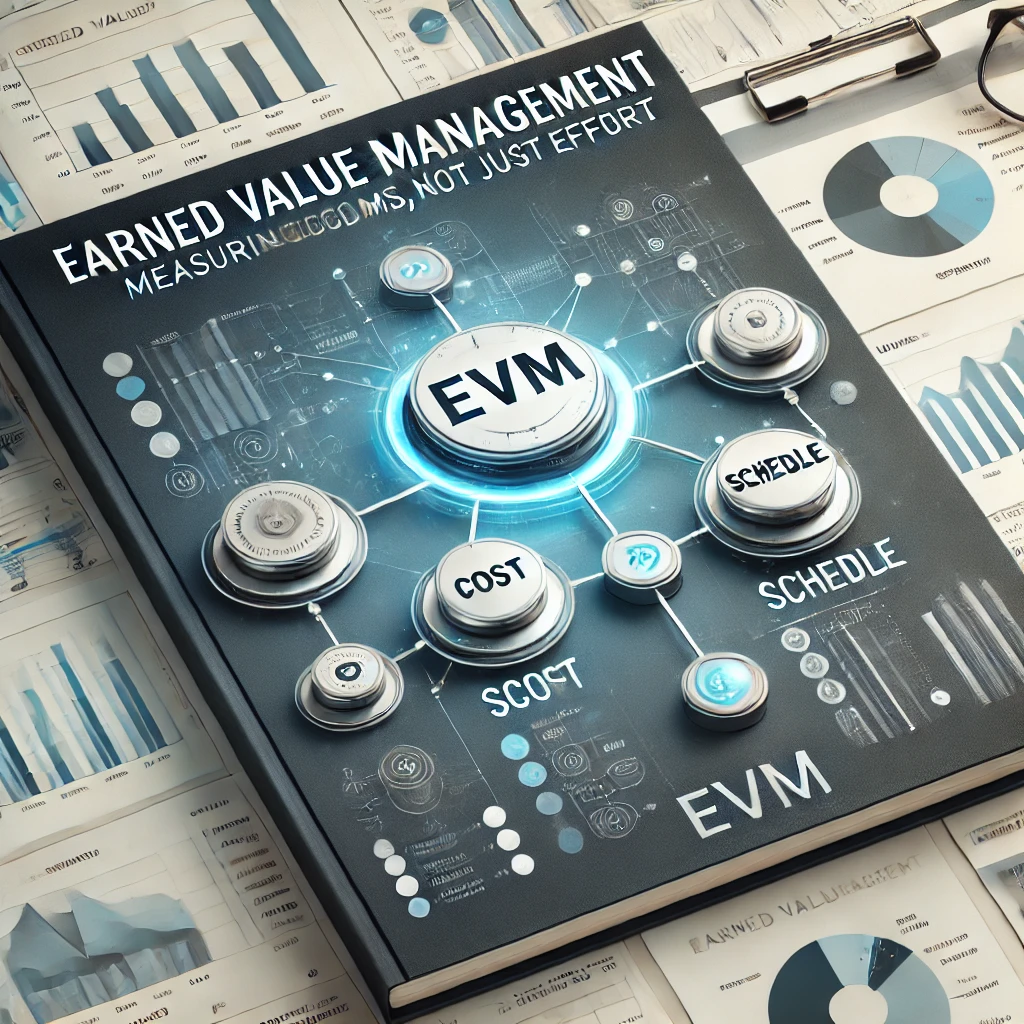
Earned Value Management (EVM) is a powerful tool. It helps project managers track progress, control costs, and predict future performance. But using EVM correctly can be tricky. Many teams make common mistakes that lead to misleading results and bad decisions.
In this article, we’ll explore these mistakes and how to avoid them. Whether you’re new to EVM or a seasoned pro, these insights will help improve your project tracking.
1. Using Incorrect or Incomplete Data
Garbage in, garbage out. EVM calculations rely on accurate data. If your numbers are wrong, your results will be meaningless.
Common Mistakes:
- Inaccurate time tracking – Work completed is overestimated or underestimated.
- Poor cost tracking – Expenses are not updated in real-time.
- Skipping scope changes – Adjustments to project scope aren’t reflected in the baseline.
How to Avoid It:
- Regularly update actual costs and work progress.
- Use reliable project tracking tools.
- Review and approve all scope changes before updating EVM data.
2. Not Defining a Clear Baseline
The Performance Measurement Baseline (PMB) is your project’s roadmap. Without it, you can’t measure progress effectively.
Common Mistakes:
- Starting EVM without an approved baseline.
- Changing the baseline too often.
- Ignoring planned work when setting up the baseline.
How to Avoid It:
- Set a firm baseline before tracking performance.
- Allow baseline changes only when necessary.
- Align the baseline with the project scope, schedule, and budget.
3. Misinterpreting Variances (CV and SV)
Cost Variance (CV) and Schedule Variance (SV) are key indicators. Misunderstanding them can lead to wrong decisions.
Common Mistakes:
- Assuming a negative SV means a cost problem (it only tracks schedule performance).
- Ignoring variances when they seem small.
- Reacting to one-time fluctuations instead of trends.
How to Avoid It:
- Analyze CV and SV together for a full picture.
- Investigate trends rather than single data points.
- Look at root causes before taking corrective action.
4. Ignoring CPI and SPI Trends
Cost Performance Index (CPI) and Schedule Performance Index (SPI) show efficiency. Ignoring their trends can lead to major issues.
Common Mistakes:
- Treating a single CPI or SPI value as final.
- Not tracking trends over time.
- Overreacting to minor fluctuations.
How to Avoid It:
- Track CPI and SPI monthly or weekly.
- Compare trends to forecast potential issues.
- Look for patterns before making changes.
5. Overlooking the Importance of Forecasting
EVM helps predict project outcomes. Ignoring forecasting means you won’t see problems until it’s too late.
Common Mistakes:
- Only focusing on past performance.
- Ignoring Estimate at Completion (EAC) calculations.
- Using outdated assumptions for forecasting.
How to Avoid It:
- Regularly update EAC based on current performance.
- Compare EAC with the original budget (BAC).
- Adjust forecasts as the project evolves.
6. Treating EVM as a One-Time Effort
EVM isn’t just a report you generate once. It’s an ongoing process that needs regular updates and analysis.
Common Mistakes:
- Only calculating EVM metrics at project milestones.
- Not using EVM to adjust plans.
- Assuming early positive trends will continue.
How to Avoid It:
- Update EVM data regularly.
- Use EVM results to make real-time decisions.
- Monitor progress throughout the project, not just at the end.
7. Not Training the Team on EVM
EVM is only as good as the people using it. A lack of understanding can lead to costly mistakes.
Common Mistakes:
- Assuming everyone knows how to use EVM.
- Using complex EVM reports that no one understands.
- Not explaining why EVM matters.
How to Avoid It:
- Train project teams on EVM basics.
- Keep EVM reports simple and clear.
- Show how EVM helps make better decisions.
8. Focusing Only on Cost and Schedule
EVM is great for tracking time and money, but it doesn’t cover everything. Ignoring other factors can cause trouble.
Common Mistakes:
- Overlooking quality issues while focusing on cost and schedule.
- Ignoring project risks.
- Forgetting about team productivity and morale.
How to Avoid It:
- Combine EVM with risk management and quality control.
- Monitor team performance along with cost and schedule.
- Balance efficiency with long-term project success.
9. Not Adjusting Plans Based on EVM Insights
EVM provides valuable data, but if you don’t use it, what’s the point?
Common Mistakes:
- Seeing bad EVM numbers and doing nothing.
- Delaying corrective actions until it’s too late.
- Ignoring early warning signs.
How to Avoid It:
- Use EVM data to adjust project plans.
- Act quickly when performance trends show trouble.
- Communicate EVM findings with stakeholders.
10. Forgetting About Stakeholder Communication
EVM helps project managers, but stakeholders need to understand it too. Poor communication can lead to confusion and mistrust.
Common Mistakes:
- Using technical EVM terms that confuse stakeholders.
- Not sharing EVM results regularly.
- Hiding bad news instead of addressing it.
How to Avoid It:
- Explain EVM in simple terms.
- Provide regular updates on cost and schedule trends.
- Be transparent about problems and solutions.
Final Thoughts
EVM is a powerful tool, but only when used correctly. Mistakes can lead to bad decisions, wasted money, and failed projects.
By avoiding these common errors, you can get accurate insights, make better decisions, and keep your projects on track.
Keep learning, keep improving, and make the most of Earned Value Management!