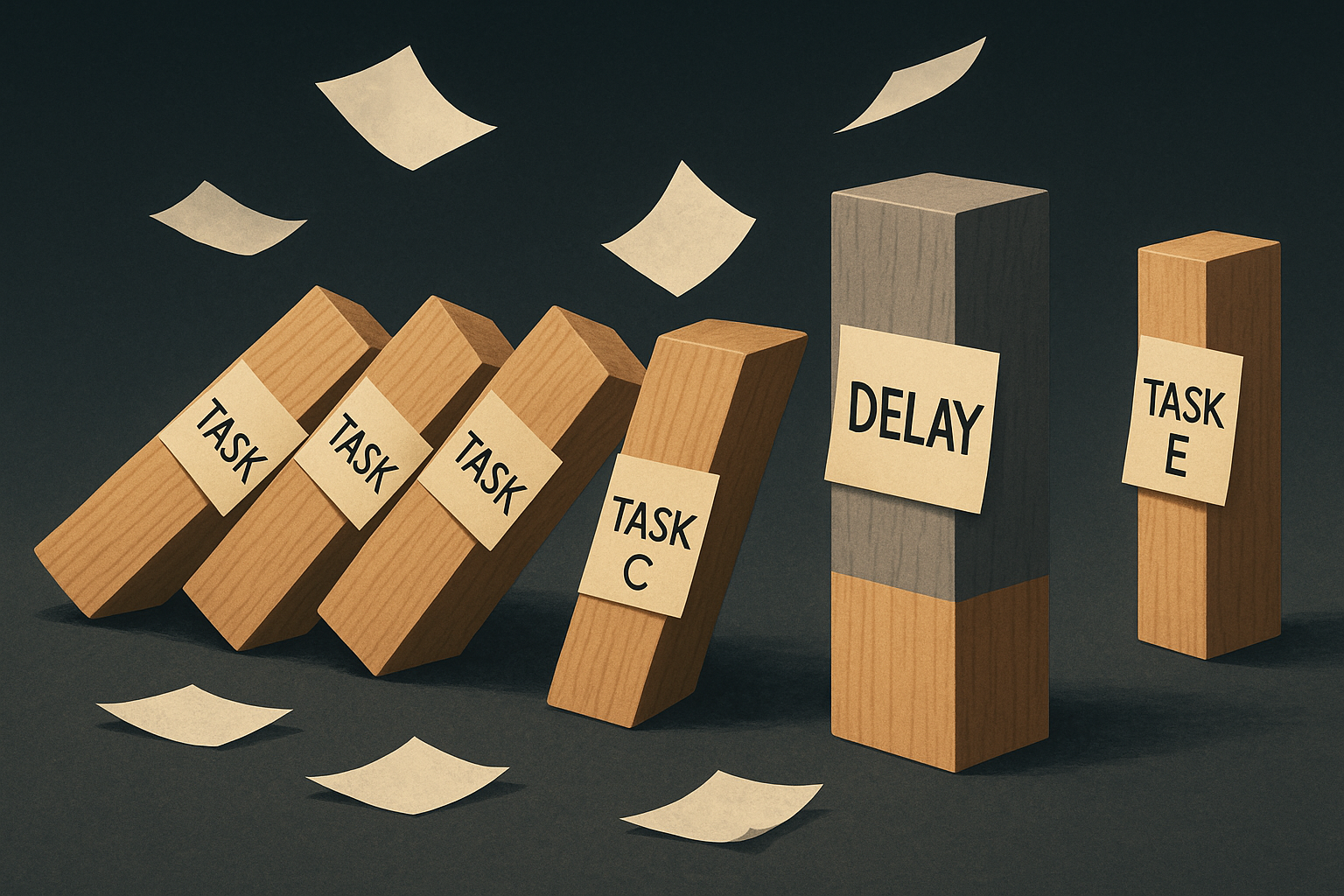
If you’re navigating the world of project management, you already know one thing: risks are everywhere! From budget hiccups to schedule slips, risks can derail a project before you know it. But what if I told you there’s a way to organize those risks and keep them under control? Enter the Risk Breakdown Structure (RBS).
In this post, we’ll dive into what RBS is, how it works, and why you should use it. By the end, you’ll see that managing project risks isn’t as intimidating as it sounds.
What is a Risk Breakdown Structure (RBS)?
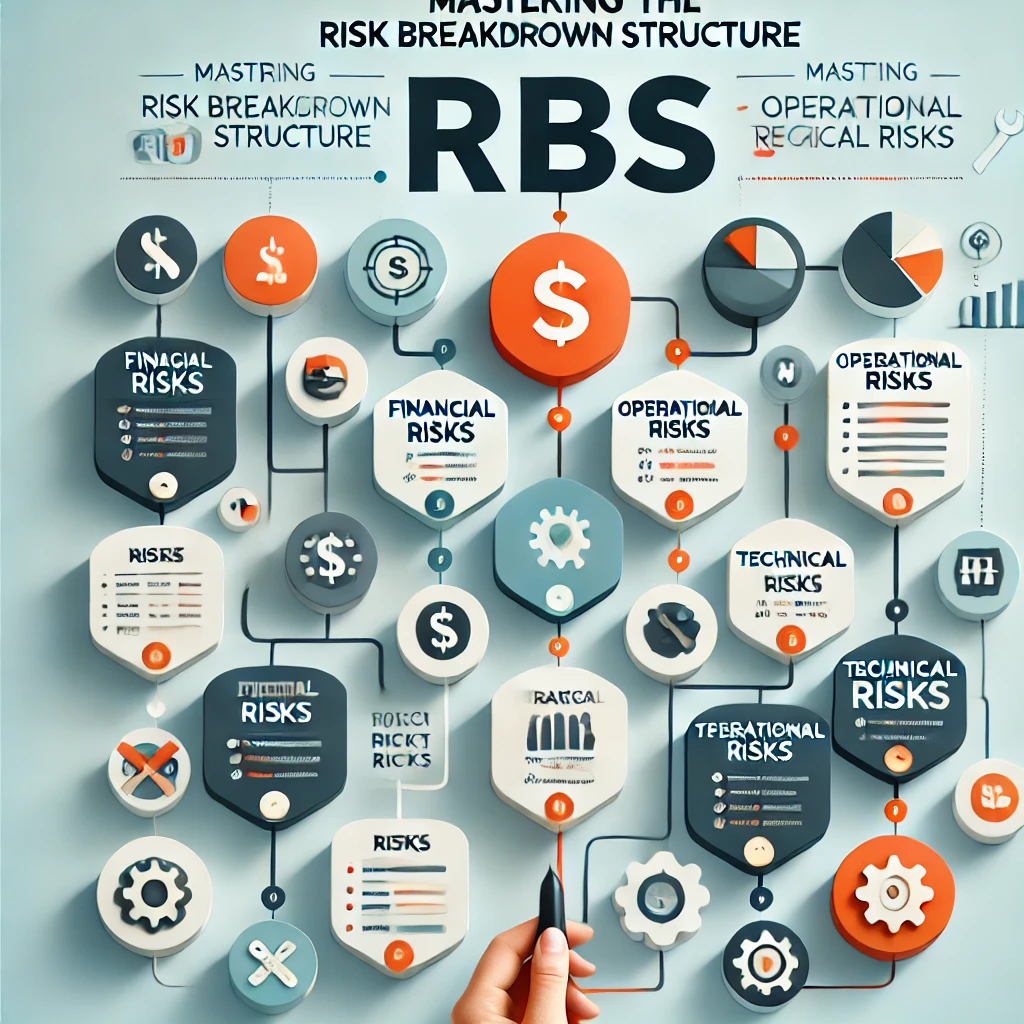
Think of RBS as a risk roadmap for your project. Just like a Work Breakdown Structure (WBS) divides a project into tasks, the RBS breaks down potential risks into manageable categories. It’s a hierarchical chart that organizes risks by type, making it easier to spot and address them.
An RBS helps you:
- Identify and categorize risks early on.
- Prioritize them based on their impact.
- Develop mitigation strategies that keep the project on track.
In short: An RBS is your go-to tool for knowing where project risks are coming from and how to tackle them.
Why Use a Risk Breakdown Structure?
If you’re still wondering why you need an RBS, here’s the deal. Without an RBS, managing risks can feel like a guessing game. With it, you gain clarity on what can go wrong and how to prevent it. Here’s how an RBS can benefit you:
- Improved Risk Visibility: With risks grouped into categories, you get a clear picture of potential problem areas.
- Better Decision-Making: When you know which risks are likely, you can make informed choices to manage them.
- Proactive Management: The RBS helps you catch and handle risks before they turn into costly issues.
- Enhanced Communication: The RBS gives your team a common language to discuss risks, improving collaboration.
Building Your Risk Breakdown Structure: The Basics
Creating an RBS might sound like a big task, but it’s actually quite simple. Here’s a step-by-step guide to build one:
- Identify Risk Categories: Start by listing the types of risks that could affect your project. Common categories include financial, operational, technical, and external risks.
- Break Down Each Category: Once you have your categories, break them down further. For example, under “financial risks,” you might have “budget overruns” or “funding delays.”
- Continue to Subdivide: Keep subdividing until you’ve drilled down to the specific risks that matter for your project.
- Organize Hierarchically: Organize your risks in a tree-like structure with main categories at the top and specific risks below.
- Assign Responsibility: For each risk, assign someone responsible for monitoring and managing it. This keeps accountability clear.
Let’s dive into each of these steps in more detail.
Step 1: Identify Risk Categories
The first step in creating your RBS is identifying the main categories of risks that could impact your project. Each project is unique, but here are some common categories to consider:
- Financial Risks: These include anything related to budget, funding, and financial performance.
- Operational Risks: These are risks that affect the day-to-day running of your project.
- Technical Risks: If your project involves complex technology, technical risks are a big concern.
- External Risks: External risks come from outside your organization and may include market changes or legal regulations.
Each category is like a risk “bucket,” allowing you to collect similar types of risks under one heading.
Step 2: Break Down Each Category
Once you’ve identified your main categories, it’s time to dive deeper. Think about the specific risks that could fall under each category. Here’s an example breakdown:
- Financial Risks:
- Budget overruns
- Inadequate funding
- Cost inflation
- Operational Risks:
- Staff shortages
- Supplier issues
- Process inefficiencies
- Technical Risks:
- Technology failures
- Software bugs
- Compatibility issues
- External Risks:
- Regulatory changes
- Economic shifts
- Competitor actions
This step lets you pinpoint specific threats within each category, making it easier to manage them.
Step 3: Continue to Subdivide
To make your RBS even more useful, break down each sub-risk further. Think about what specific factors could contribute to each risk. For example, if you have “budget overruns” under financial risks, break it down further:
- Budget Overruns:
- Underestimated costs
- Unexpected expenses
- Poor financial tracking
Keep going until you reach a level that makes sense for your project. A detailed RBS is incredibly valuable, but don’t overdo it—too much detail can be overwhelming!
Step 4: Organize Hierarchically
Now that you have your risks categorized and broken down, arrange them in a hierarchy. At the top level, you have your main categories (e.g., financial, operational), and each level down adds more detail.
This structure makes your RBS easy to read and helps everyone understand where each risk fits within the big picture.
Step 5: Assign Responsibility
Once your RBS is set, assign a team member to each risk. This person will be responsible for monitoring the risk and implementing mitigation plans if needed. Assigning responsibility gives accountability and makes sure each risk has someone keeping an eye on it.
Example of a Risk Breakdown Structure (RBS)
To make things clearer, let’s walk through a simple example of an RBS for a construction project:
Top-Level Categories:
- Financial Risks
- Budget Overruns
- Underestimated labor costs
- Unexpected material price increases
- Funding Delays
- Slow disbursement from sponsors
- Delays in project financing
- Budget Overruns
- Operational Risks
- Resource Shortages
- Insufficient skilled labor
- Equipment availability issues
- Schedule Slips
- Bad weather
- Permit delays
- Resource Shortages
- Technical Risks
- Structural Issues
- Foundation instability
- Design flaws
- Equipment Failures
- Breakdown of heavy machinery
- Inadequate maintenance
- Structural Issues
- External Risks
- Regulatory Changes
- New building codes
- Environmental regulations
- Market Shifts
- Increased competition
- Changes in demand for construction projects
- Regulatory Changes
This example gives you a snapshot of how an RBS works in practice. Each category is broken down until we reach specific risks that can be managed individually.
Using Your RBS to Improve Project Outcomes
Your RBS isn’t just a list of risks; it’s a tool to help you manage them proactively. Here’s how to make the most of it:
- Prioritize Risks: Not all risks are equal. Use the RBS to identify which risks are most critical and focus on those first.
- Develop Mitigation Plans: For each high-priority risk, develop a mitigation strategy. This could involve setting aside extra budget, adjusting schedules, or even training staff.
- Monitor and Update: Risks evolve, so revisit your RBS regularly. Add new risks, remove irrelevant ones, and keep it up-to-date.
- Communicate Clearly: Share the RBS with your team so everyone knows where potential issues lie. It promotes transparency and helps team members understand their role in risk management.
Benefits of an RBS
If you’re wondering if an RBS is worth the effort, let’s talk about the benefits. Here’s what you stand to gain:
- Clarity: An RBS provides a clear overview of risks, helping you tackle them with confidence.
- Better Resource Allocation: By identifying risks early, you can allocate resources to manage them effectively.
- Reduced Surprises: With an RBS, fewer risks will catch you off guard.
- Improved Decision-Making: An organized risk structure helps you make smarter choices when challenges arise.
Common Mistakes When Building an RBS
Let’s go over a few pitfalls to avoid:
- Overloading with Detail: It’s easy to get too granular with risks. Focus on key areas that truly impact your project.
- Ignoring Low-Likelihood Risks: Just because a risk is unlikely doesn’t mean it’s not important. Assess each risk’s potential impact before deciding to leave it out.
- Neglecting Regular Updates: An outdated RBS won’t help you. Make sure it evolves with your project.
Wrapping Up: Embrace the Power of an RBS
Creating an RBS might seem like extra work, but trust me—it’s worth it! It brings order to the chaos of risk management, giving you a solid foundation to tackle project uncertainties. Remember, the goal isn’t to eliminate all risks (that’s impossible!) but to manage them effectively.
So, why not try building an RBS for your next project? With a bit of effort upfront, you’ll enjoy smoother planning, fewer surprises, and a whole lot less stress.
Ready to Build Your First RBS?
Grab a pen, gather your team, and start mapping out those risks. Your project—and your peace of mind—will thank you for it!