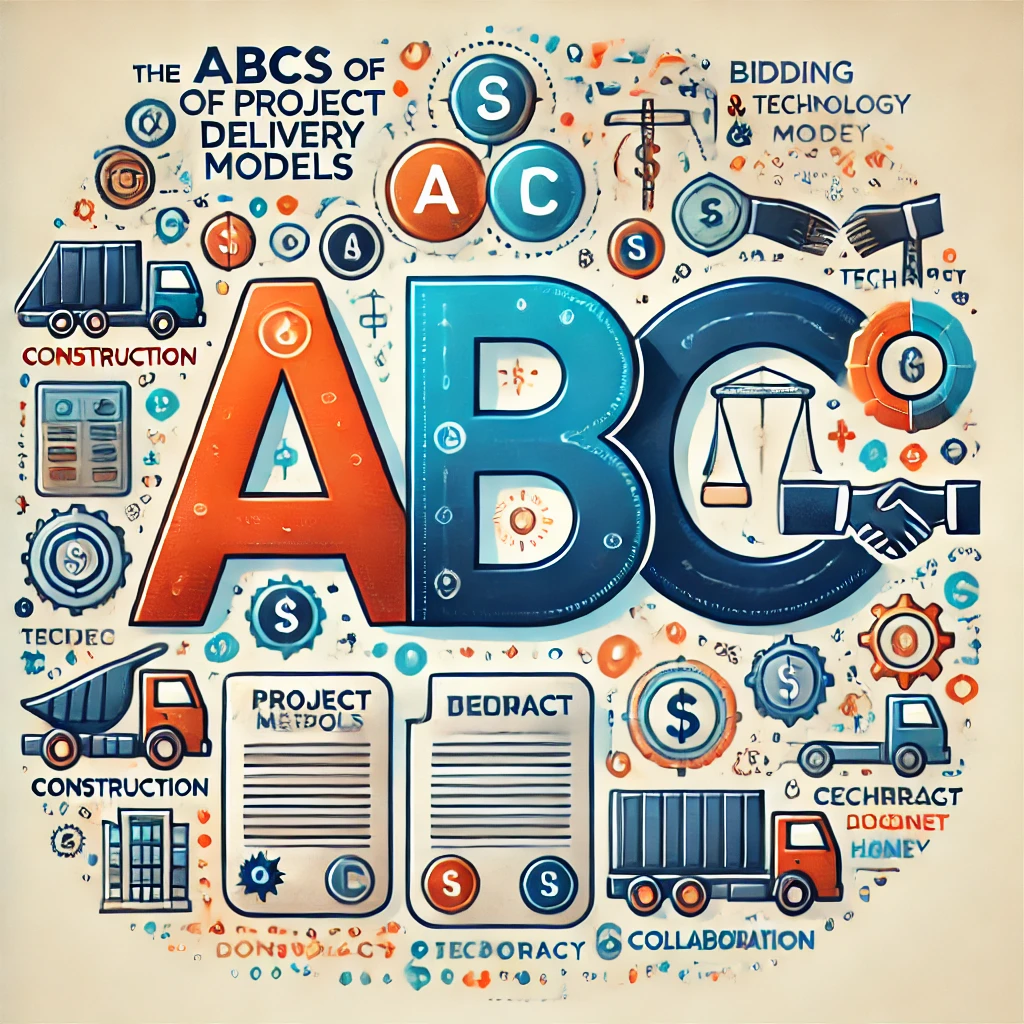
When it comes to delivering a successful project, your choice of delivery model can make or break the outcome. Whether you’re building a skyscraper, designing a new app, or laying out a highway, the way you plan and execute the project is critical. Let’s take a closer look at three popular project delivery models: Design-Bid-Build (DBB), Design-Build (DB), and Best-Price Design (BPD). And yes, we’ll sprinkle in a few others for good measure!
Grab a coffee (or tea) and let’s dive in. Promise, no confusing jargon—just clear, light-hearted explanations.
Design-Bid-Build (DBB): The Traditional Grandpa of Delivery Models
Imagine baking a cake. You plan the recipe, hire a baker, and then get someone else to decorate it. That’s DBB. In this model, the project is divided into three distinct phases:
- Design: An architect or designer creates the blueprint for your project.
- Bid: You shop around to find a contractor who will handle construction.
- Build: The contractor gets to work bringing your vision to life.
Advantages of DBB:
- Clear accountability: The designer and builder each have defined roles.
- Competitive pricing: Contractors bid for the project, often driving down costs.
- Well-understood process: It’s been around forever, so most people know how it works.
Disadvantages of DBB:
- Slow as molasses: Each phase happens one after another, dragging out timelines.
- Potential blame game: Designers and builders can point fingers if things go wrong.
- Costly surprises: Changes during construction can blow up the budget.
Best for: Projects with straightforward designs and no rush to finish, like small community buildings or road resurfacing.
Design-Build (DB): The One-Stop Shop
Think of DB as ordering a pizza from a place that takes care of everything—dough, toppings, and baking. Here, one entity handles both design and construction. It’s like a package deal.
Advantages of DB:
- Speedy delivery: Design and construction can happen simultaneously, saving time.
- Single point of contact: One team means less confusion and fewer arguments.
- Improved collaboration: Designers and builders work together from the start.
Disadvantages of DB:
- Limited control: You’re handing a lot of responsibility to one party.
- Fewer competitive bids: With one team, you lose the chance to compare multiple contractors.
- Potential bias: The designer might prioritize their preferences over yours.
Best for: Projects with tight deadlines or complex designs, like tech campuses or large residential buildings.
Best-Price Design (BPD): The Cost-Conscious Contender
BPD is the savvy shopper’s dream. You’re balancing quality and cost, choosing designers and builders who meet your budget without skimping on results. In this model, design and construction are awarded based on a mix of price and qualifications.
Advantages of BPD:
- Cost efficiency: You’re not always going for the cheapest, but the most cost-effective option.
- Better value: Combines quality work with reasonable prices.
- Flexibility: You can tailor criteria to suit your project’s needs.
Disadvantages of BPD:
- Time-consuming: Evaluating multiple bids and qualifications takes effort.
- Potential compromise: Balancing cost and quality can sometimes mean sacrificing one for the other.
Best for: Projects where quality matters but you’re also budget-conscious, like school buildings or mid-sized office spaces.
Construction Manager at Risk (CMAR): The Trusted Advisor
In CMAR, a construction manager is brought in early to advise during the design phase and then takes responsibility for delivering the project within a guaranteed maximum price.
Advantages of CMAR:
- Reduced risk: You have cost certainty from the start.
- Expert advice: The construction manager helps avoid design issues.
- Collaborative approach: Encourages teamwork between designers and builders.
Disadvantages of CMAR:
- Higher upfront costs: Bringing in a construction manager early isn’t cheap.
- Less competitive pricing: You’re not bidding out the entire project.
Best for: Projects with high complexity, like hospitals or airports, where expertise is critical.
Integrated Project Delivery (IPD): The Dream Team Approach
IPD brings everyone—owner, designer, builder—to the table right from the start. Think of it as a group project where everyone actually does their part (shocking, right?).
Advantages of IPD:
- Ultimate collaboration: All parties share the same goals and risks.
- Efficiency: Early involvement reduces misunderstandings and delays.
- Innovative solutions: Collaboration often leads to creative problem-solving.
Disadvantages of IPD:
- Complex setup: Requires contracts that clearly define shared risks and rewards.
- High initial effort: Getting everyone aligned takes time and coordination.
Best for: Mega-projects with multiple stakeholders, like stadiums or large-scale urban developments.
Making the Right Choice
So, how do you choose the perfect project delivery model? It depends on your priorities:
- Budget: If cost is king, consider DBB or BPD.
- Timeline: Need it fast? Go with DB or IPD.
- Complexity: For intricate designs, CMAR or IPD shine.
- Control: Prefer having a say in every detail? Stick to DBB or BPD.
No single model is perfect for every project. The trick is to match the model to your goals and constraints. After all, the right foundation sets the stage for success.
Final Thoughts
Project delivery models might sound dry, but they’re the secret sauce behind every successful build. Whether you’re constructing a bridge, designing a tech hub, or even organizing a major event, picking the right approach can save time, money, and a lot of headaches. So, what’s your go-to delivery model? Let me know in the comments below—and happy project planning!